

How Ablative Laser Resurfacing Improves Skin Texture and Reduces Scars
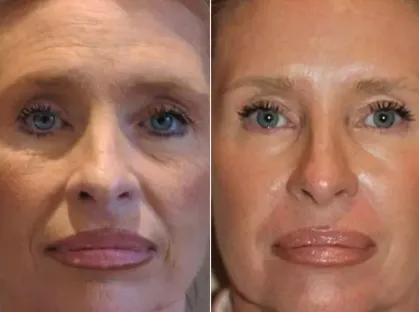
Ablative Laser Resurfacing
How Ablative Laser Resurfacing Improves Skin Texture and Reduces Scars Your skin may be uneven in texture, pockmarked by acne scars, wrinkled by fine lines, or damaged by the sun. When you want to address these problems, you may want to consider ablative laser resurfacing to help. Laser resurfacing smooths your skin with the laser by heating the tissue and then removing the tissue.
Ablative laser resurfacing treatments make the skin feel softer and may improve the appearance of some scars and wrinkles. If you are a candidate for this treatment, you will be able to expect to see some, but not complete, improvement of certain skin irregularities with a single ablative resurfacing treatment.
What Is Ablative Laser Resurfacing?
Ablative laser resurfacing involves the removal of superficial layers of skin in the targeted area. An ablative laser uses intense laser energy to carefully ablate (remove) layers of skin, resulting in a controlled wound to the targeted skin.
"Collagen is a protein that supports the skin's structure, firmness and elasticity. During the healing process, the surface of your skin could appear to be softer and some scars and wrinkles could become less apparent.
Common concerns that may be treated include:
Certain acne scars
Fine lines and wrinkles
Sun-damaged skin
Irregular skin texture
Some age-related skin changes
Selected scars and pigmentation concerns
Some skin issues react better to a laser than others. It's worth consulting a doctor before getting a procedure.
How Ablative Laser Resurfacing Improves Skin Texture
Does your skin have a rough or uneven texture that has been caused by acne, damage or scars, aging or prior skin trauma? Ablative laser skin resurfacing treatments can help with textured skin by removing the damaged outer layers and promoting renewal of cells.
1. Removes Damaged Skin Cells
When the laser removes the specified quantity of skin tissue, the healing process allows new skin to grow in its place over time. This new skin tends to be clearer or flatter in its texture.
The extent of treatment varies by laser technology, the condition being treated and the treatment plan.
2. Increases Collagen Manufacturing
Collagen is responsible for supporting the structure of the skin. Laser treatment triggers the process of collagen remodelling during healing, which can slowly tighten skin and reduce some textural irregularities.
Collagen remodeling takes time – the improvements can happen over a period of several months. Individual results may differ.
3. Softens Fine Lines and Wrinkles
Ablative laser resurfacing can improve some specific fine lines such as awrinkles caused by sun damage and as a result of skin ageing. The laser improves the surface of the skin and also influences collagen remodelling and thus can give a smoother finish.
It won't stop the process of ageing, and more pronounced wrinkles may need a different or combined treatment.
Can Ablative Laser Resurfacing Reduce Acne Scars?
Acne scars don't need to last long after you've outgrown the pimples. The appearance of your scars will vary depending on your type of acne scars and their depth and severity.
With smooth contouring designed to give the face a streamlined toned look Effective atrophic scars in depressed areas of the skin – Ablative laser resurfacing methods can also be effective on some atrophic acne scars. This is achieved through skin resurfacing and collagen remodelling which can soften the edges of scars.
However, this was just to demonstrate to you that these types of scars, including deep icepick scars, tethered and elevated scars, may require alternative treatments such as subcision and other techniques.
Discuss with your doctor if ablative laser resurfacing is an option for your scar type. Make sure your active acne has been treated and controlled prior to resurfacing.
What Happens During the Treatment?
This is followed by a consultation with a specialist who will look at your skin, your history of skin complaints, any medications you are taking and any previous treatment you may have had.
If the treatment is suitable, the area to be treated will be cleansed, with some type of anaesthetic applied if necessary, which will depend on the type of laser used, and depth of treatment.
The laser is then directed at the areas that require treatment. Depending on the size of the area being treated and how complex the treatment will be, the duration of the procedure varies.
Following the procedure, your skin might be red, swollen, or sensitive. Your doctor will give you instructions on caring for your wound, and how to safeguard the skin during the healing process.
Recovery and Aftercare
Recovery comes with ablative laser resurfacing. Healing can take anywhere from several days to several weeks depending on the laser and intensity of treatment, and redness may linger for even longer.
To support recovery:
Follow your practitioner's wound-care instructions carefully.
Keep the treated skin clean and used only those products that are recommended.
Avoid picking, scratching, or removing peeling skin.
Sunglasses make sure the space is protected from the sun and you have the suggested sun protection to use it.
Don't use any exfoliating products or active skin care until your provider says it's fine to do so.
Contact your doctor if you notice excessive pain, redness, pus, fever, or other symptoms of an infection.
Risks and Important Considerations
Although ablative laser resurfacing can treat certain problems, it isn't suitable for everyone. Side effects include, redness and swelling, pain, infection, scarring and pigmentation changes.
Individuals with darker skin types face a greater risk of hyperpigmentation following some laser treatments. Therefore, it is important to evaluate the skin type, test settings, medical history and previous history of pigment issues of the individual.
A history of cold sores or skin problems can also influence treatment planning. Talk to your practitioner before the procedure if you are on any medications.
Nothing can be promised from the results, and speedier treatment may have longer recovery times and greater risks.
Is Ablative Laser Resurfacing Right for You?
Based on your skin problems, the type of scar you have, your skin colour, your past medical history and the results you want to achieve, your doctor will advise the most appropriate treatment. This may include ablative laser resurfacing, non-ablative lasers, or combination treatment with lasers, chemical peeling or microneedling.
Seeking professional advice can help advise on the most appropriate way and to what you can expect.
Conclusion
Ablative laser resurfacing can smooth out uneven areas of the skin, minimize some types of acne scars, and diminish fine lines through removal of damaged skin layers and stimulation of collagen remodelling. Though it is very effective, it involves appropriate evaluation, caution with aftercare, and realistic expectations.
Seek the advice of an accredited medical practitioner to discuss the risks, benefits and alternatives to skin with your skin. A personal treatment plan will enable you to make an informed decision.